
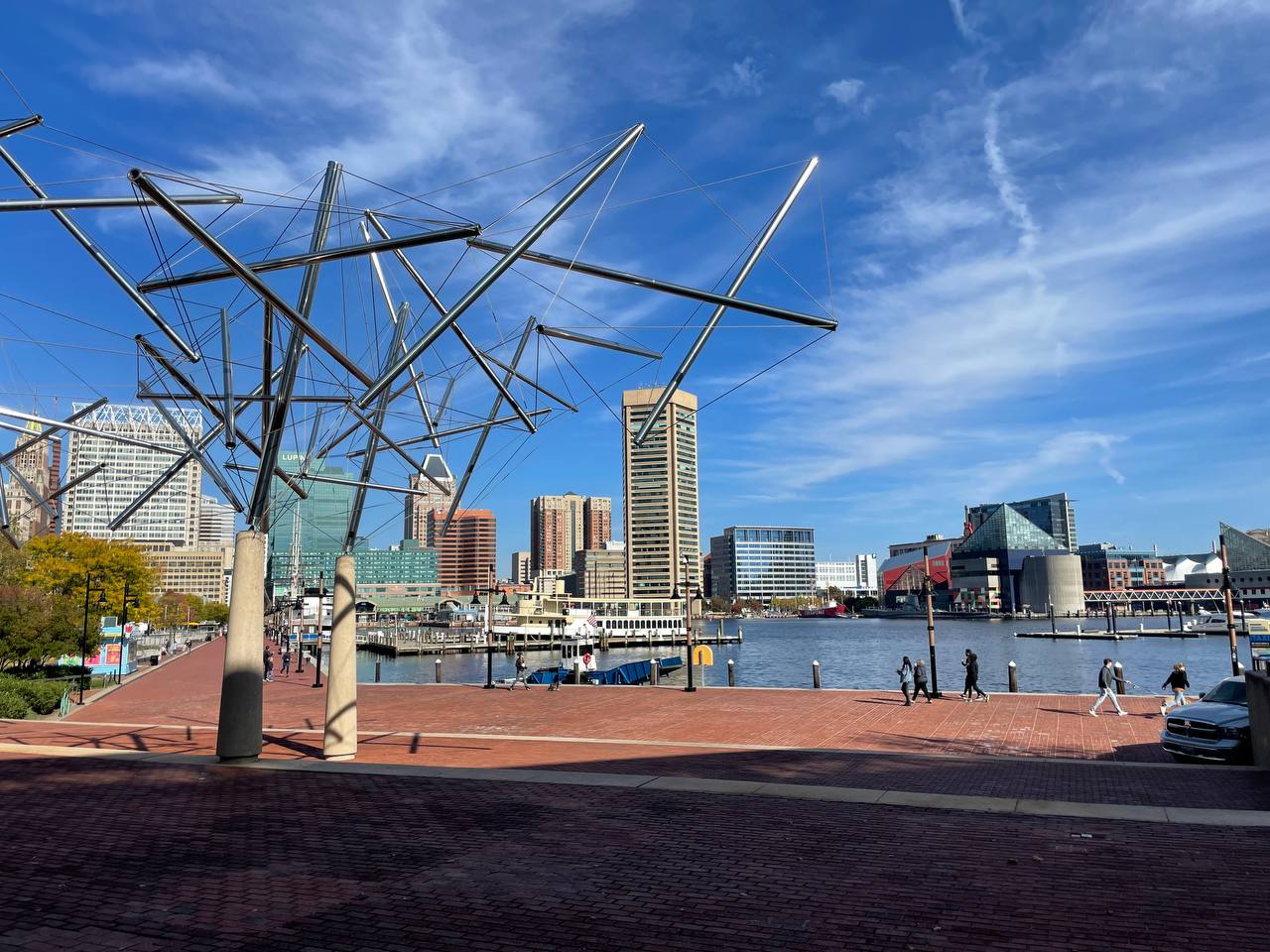

Washington, DC is one of the most expensive places to live in the country. The overall cost of living runs about 51.9% above the U.S. average, and housing alone is roughly 131.5% above average, with a typical home priced near $645,000 (BestPlaces). For most families and commuters, the math only works a few miles outside the District line.
The good news: the DC suburbs across Maryland and Virginia give you noticeably more space and lower prices while keeping you close to the region’s jobs and transit. Below are eight of the most affordable places to live near DC in 2026, ranked from the lowest typical home price up, with current prices, property taxes, transit costs, incomes, and a note on who each one suits best.
The most affordable suburbs near Washington, DC in 2026 are Germantown, Waldorf, and Frederick, Maryland, where typical home values run about $425,000-$470,000, roughly $175,000-$220,000 below DC’s ~$645,000. If you rent and want a car-free commute, Silver Spring, MD has the lowest typical rent on this list (about $1,966/month) and about a 20-minute Red Line ride to downtown.
The most affordable DC suburbs in 2026, at a glance
We compared each suburb on the numbers that actually move your monthly budget: home prices and rent (Zillow, June 2026), the 1-year price trend, and overall cost of living versus DC (BestPlaces). Sorted from the lowest typical home value.
| Suburb | Median home (2026) | 1-yr change | Avg. rent | Cost vs DC |
|---|---|---|---|---|
| Germantown, MD | $425,700 | -2.8% | $2,137 | ~9% lower |
| Waldorf, MD | $439,300 | -1.5% | $2,249 | ~24% lower |
| Frederick, MD | $469,700 | -1.1% | $2,205 | ~25% lower |
| Woodbridge, VA | $507,900 | +0.2% | $2,195 | ~17% lower |
| Silver Spring, MD | $556,500 | -1.1% | $1,966 | ~9% lower |
| Manassas, VA | $561,800 | +0.3% | $2,200 | ~24% lower |
| Rockville, MD | $623,900 | -1.1% | $2,426 | ~9% lower |
| Centreville, VA | $632,500 | -0.3% | $2,424 | ~1% lower |
Home values (ZHVI), 1-year change and average rent (ZORI) are from Zillow, as of June 30, 2026. Cost-of-living comparison uses the BestPlaces composite index (Washington, DC = 151.9). Per-suburb source links are in each section below.
Prices have cooled in 2026: six of these eight suburbs saw typical home values dip slightly over the past year (Germantown -2.8%, Waldorf -1.5%, Frederick, Silver Spring and Rockville about -1.1% each), while Woodbridge and Manassas were essentially flat. Most older “cheapest places near DC” lists still quote 2023-2024 peak prices. The figures here are current to June 2026.
The 8 most affordable places to live near DC
Here’s a closer look at each suburb: what your money buys, how you’ll get into the city, and the kind of buyer or renter it fits.
1. Germantown, MD: the lowest entry price
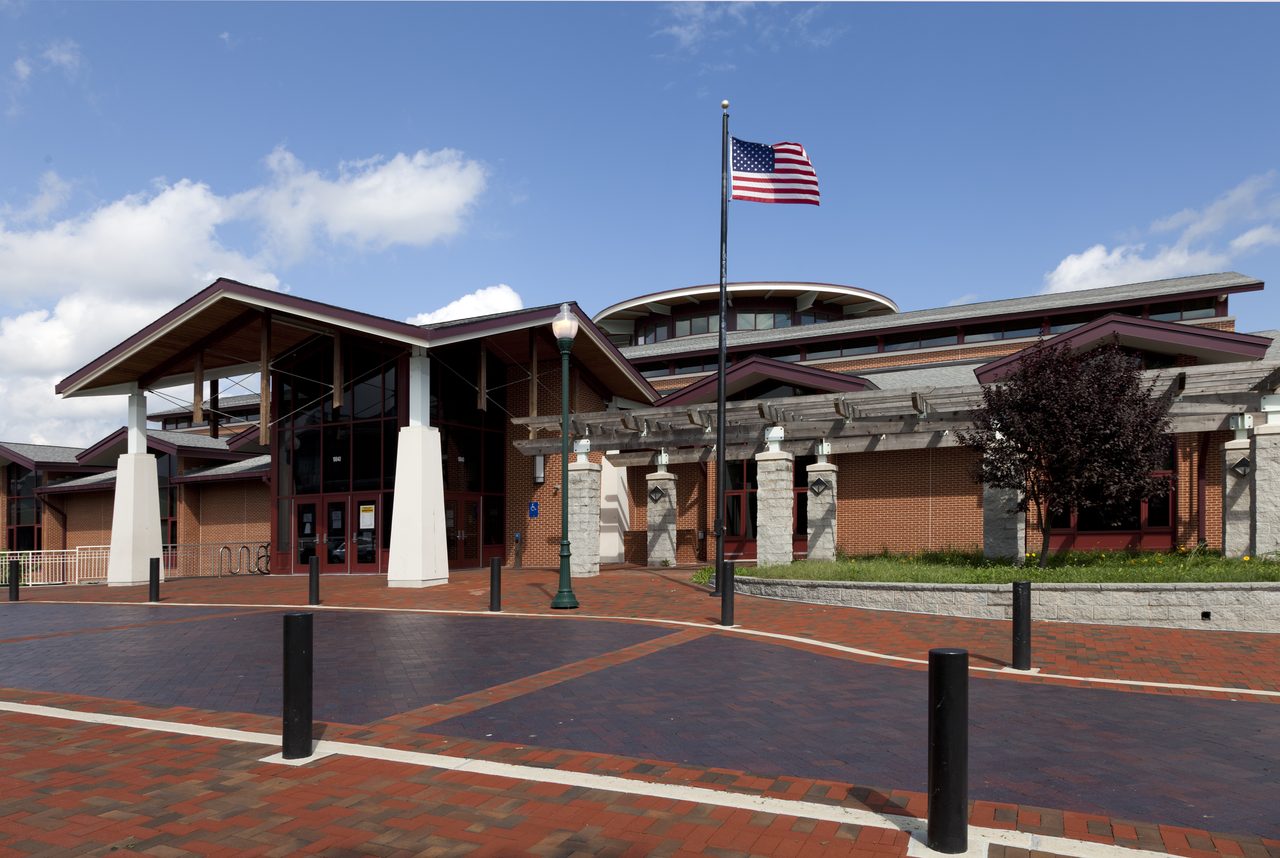
Germantown is one of Maryland’s largest communities (about 91,000 residents, per World Population Review) and has the lowest typical home value on this list. It sits along I-270 roughly 24 miles northwest of DC, and the Germantown MARC station on the Brunswick Line gives commuters a car-free ride toward Union Station. Montgomery College’s Germantown campus anchors a growing life-sciences presence nearby. Violent crime is low (about 1.9 per 1,000 residents), though like most I-270 suburbs the property-crime rate is higher (NeighborhoodScout, 2024 data).
Best for: buyers who want the lowest purchase price with a commuter-rail option.
Keep in mind: MARC is weekday and commuter-focused, so evenings and weekends you’ll drive.
2. Waldorf, MD: the biggest space-for-money
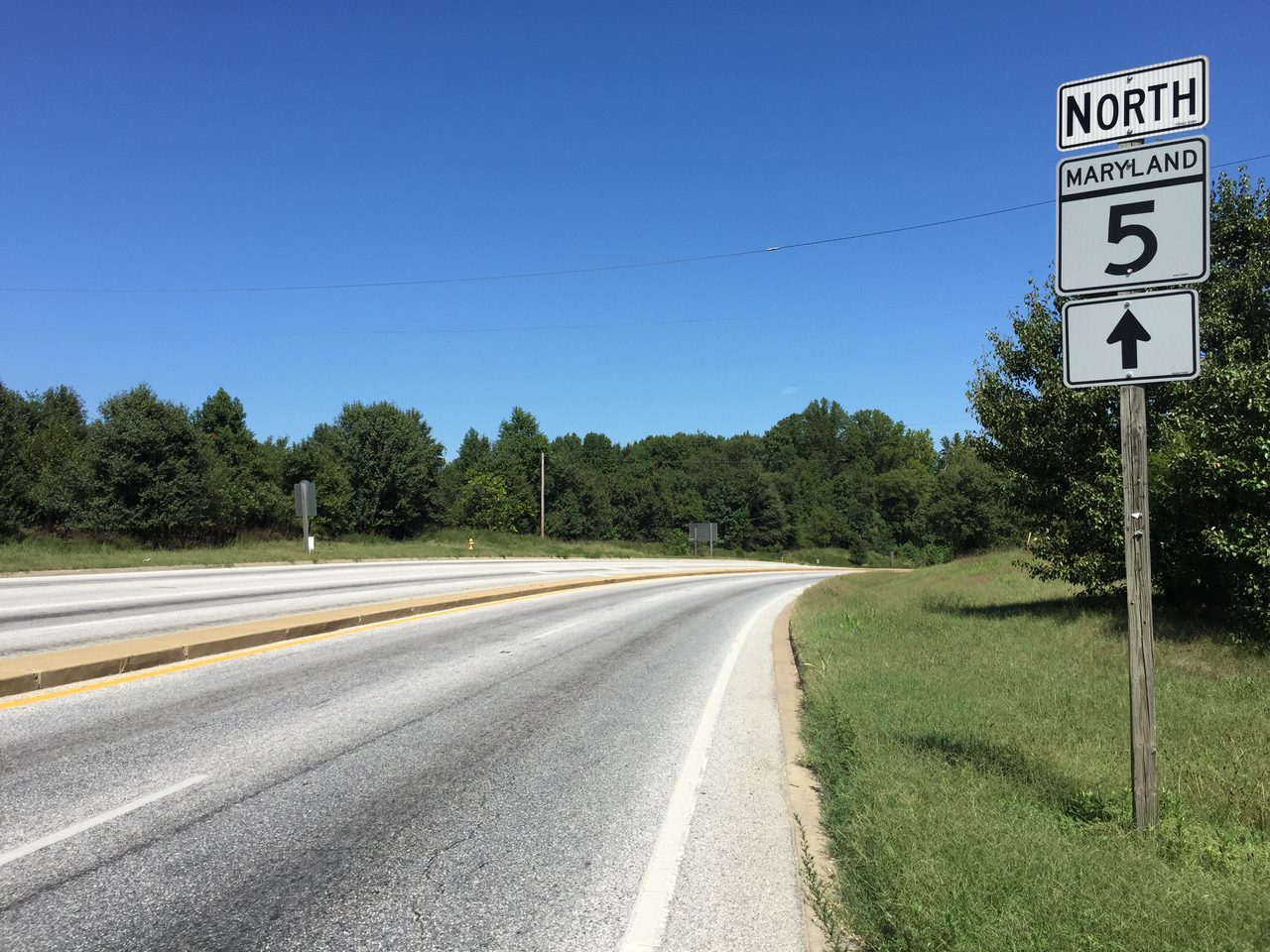
About 23 miles south of DC in Charles County, Waldorf (about 86,000 residents, per World Population Review) runs roughly 24% below the District on overall cost of living, one of the strongest value plays here. It’s a growing, family-oriented community anchored by St. Charles Towne Center (the largest enclosed mall in Southern Maryland) and the Southern Maryland Blue Crabs ballpark. The trade-off is the commute: Waldorf has no Metro or commuter rail, so you’ll drive US-301 and MD-5 or take an MTA commuter bus, and the peak trip into DC commonly runs 45-75 minutes. Violent crime is moderate at about 3.8 per 1,000 residents (NeighborhoodScout).
Best for: buyers who want space and a low cost of living and don’t mind driving.
Keep in mind: the longest car commute here, with no rail backup.
3. Frederick, MD: the biggest overall discount

Frederick offers the largest cost-of-living discount on this list, around 25% below DC, and it’s a real small city rather than a bedroom community, with roughly 95,000 residents (World Population Review), a historic downtown with 200-plus shops and restaurants along the Carroll Creek Park waterfront, and Fort Detrick as the county’s largest employer. It’s about 50 miles out; the MARC Brunswick Line runs weekday commuter trains from Downtown Frederick, but the I-270 drive can stretch to 1.5-2 hours at rush hour. Violent crime is about 4.2 per 1,000 residents (NeighborhoodScout).
Best for: the most house and lifestyle for your money.
Keep in mind: it’s the farthest out, and rail is weekday commuter service only.
4. Woodbridge, VA: best value on the Virginia side
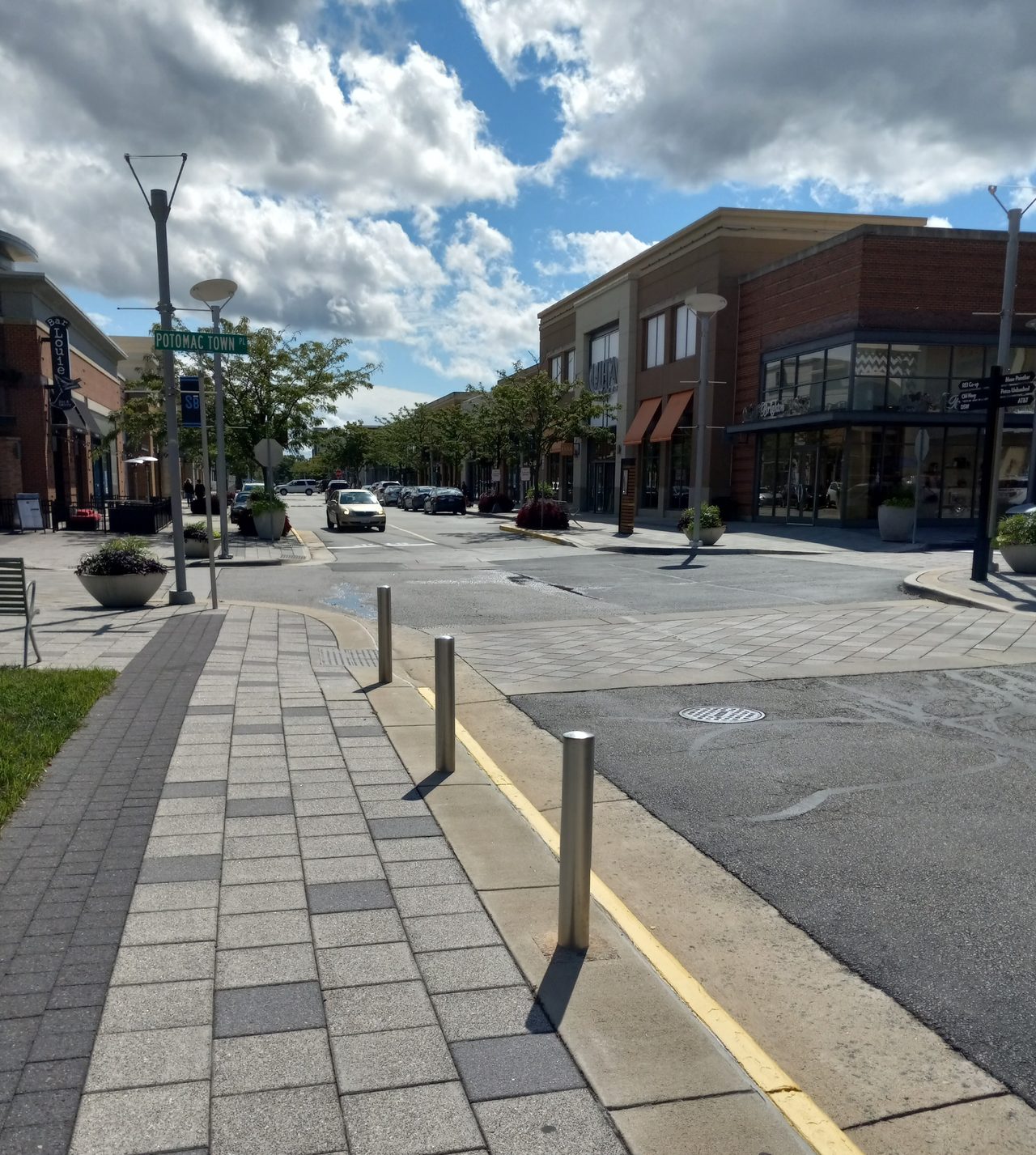
On the Virginia side, Woodbridge is the standout for value, about 17% below DC and roughly 20 miles south along I-95. Commuters have real transit options: the VRE Fredericksburg Line and OmniRide commuter buses both run into the city. Potomac Mills, Virginia’s largest outlet mall, and Sentara Northern Virginia Medical Center are both in town. Violent crime sits around 3.1 per 1,000 residents (NeighborhoodScout).
Best for: Virginia buyers who want VRE access and a lower price point.
Keep in mind: I-95 traffic is the trade-off if you drive.
5. Silver Spring, MD: best for renters and car-free commuters

Silver Spring is the closest-in Maryland option, about 7 miles from downtown, with its own Red Line Metro station (about a 20-minute ride to Metro Center) plus MARC service. It also has the lowest typical rent on this list at about $1,966, which makes it the clear pick for renters who want to skip a car. The FDA’s White Oak headquarters is a major employer, and the walkable, dense downtown (about 85,000 residents, per World Population Review) is full of restaurants and shops. Property crime runs higher, as it does in most dense inner suburbs, but the violent-crime rate is comparatively low (about 2.5 per 1,000; NeighborhoodScout).
Best for: renters and anyone who wants a true car-free commute.
Keep in mind: it’s urban and busy, not the place for quiet.
6. Manassas, VA: small-city value with commuter rail
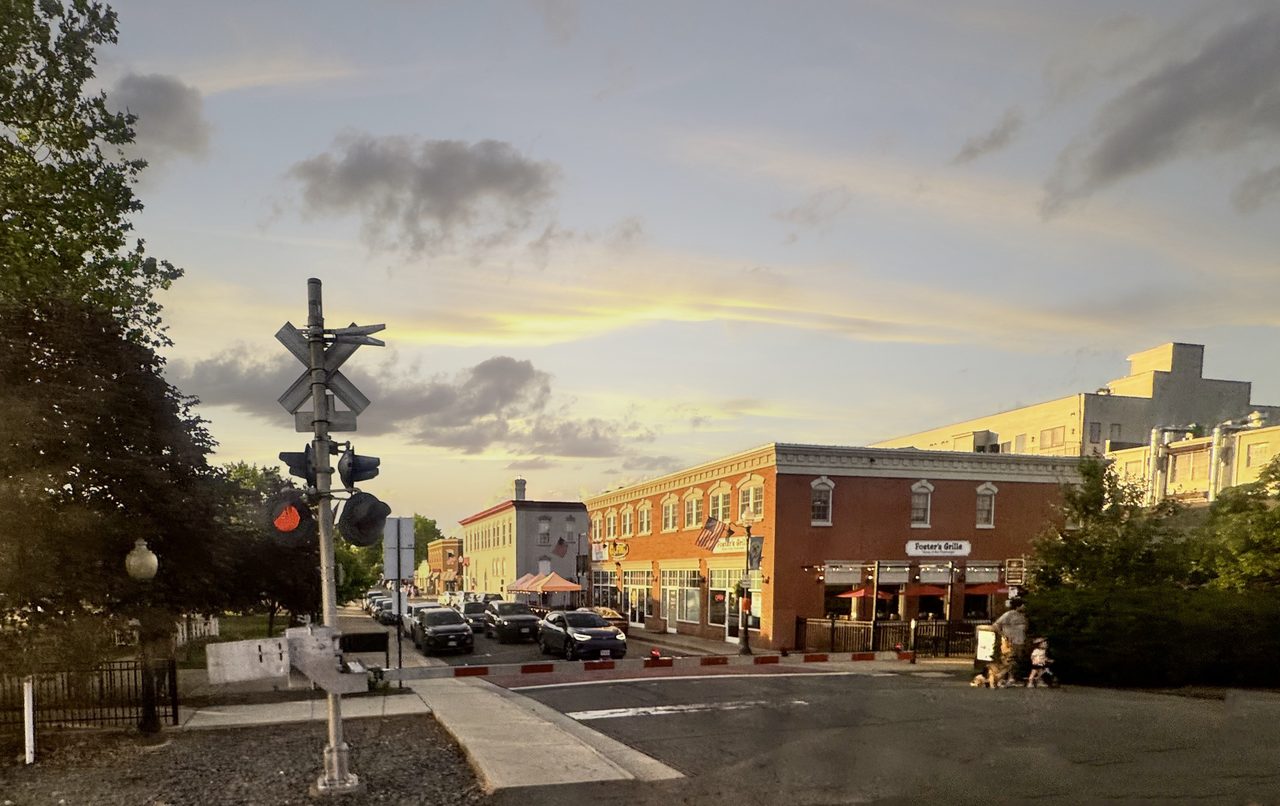
Manassas is an independent city about 30 miles southwest of DC (roughly 44,700 residents, per World Population Review), and at roughly 24% below the District on overall cost of living it’s one of the better values on this list, even though home prices land in the middle of the pack. Commuters can ride the VRE Manassas Line (or Amtrak) into the city from the Manassas station, or drive I-66. The walkable Historic Old Town Manassas, built around a restored rail depot, anchors the city, and Manassas National Battlefield Park sits right next door. Violent crime is moderate at about 2.7 per 1,000 residents (NeighborhoodScout, 2024 data).
Best for: buyers who want a small-city feel, commuter rail and lower everyday costs.
Keep in mind: it’s on the outer western edge, and I-66 traffic is real if you drive.
7. Rockville, MD: transit, jobs and safety
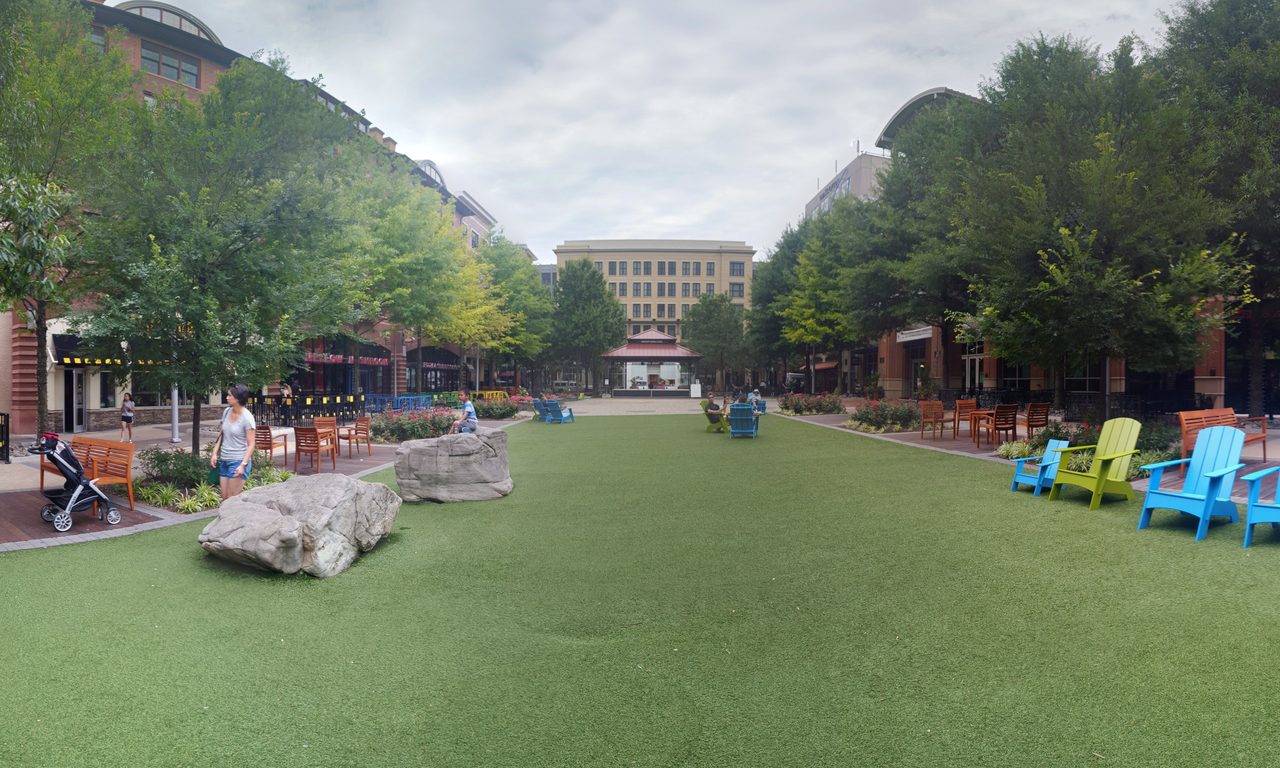
Rockville is the Montgomery County seat (about 67,000 residents, per World Population Review) and AT Movers’ home base. It’s about 22 miles up the Red Line, with MARC and Amtrak also stopping at Rockville station and a walkable Town Square right beside it. The city anchors the I-270 life-sciences corridor (sometimes called “DNA Valley”) with more than 120 biotech firms nearby. It also has the lowest violent-crime rate on this list (about 1.5 per 1,000; NeighborhoodScout). You pay more than the cheaper Maryland options, but you get transit, jobs and safety in one place. Planning a local move here? Our local moving team covers Rockville and the surrounding county.
Best for: professionals who want transit and safety and can stretch the budget.
Keep in mind: higher home prices than the rest of the Maryland group.
8. Centreville, VA: best for schools and safety
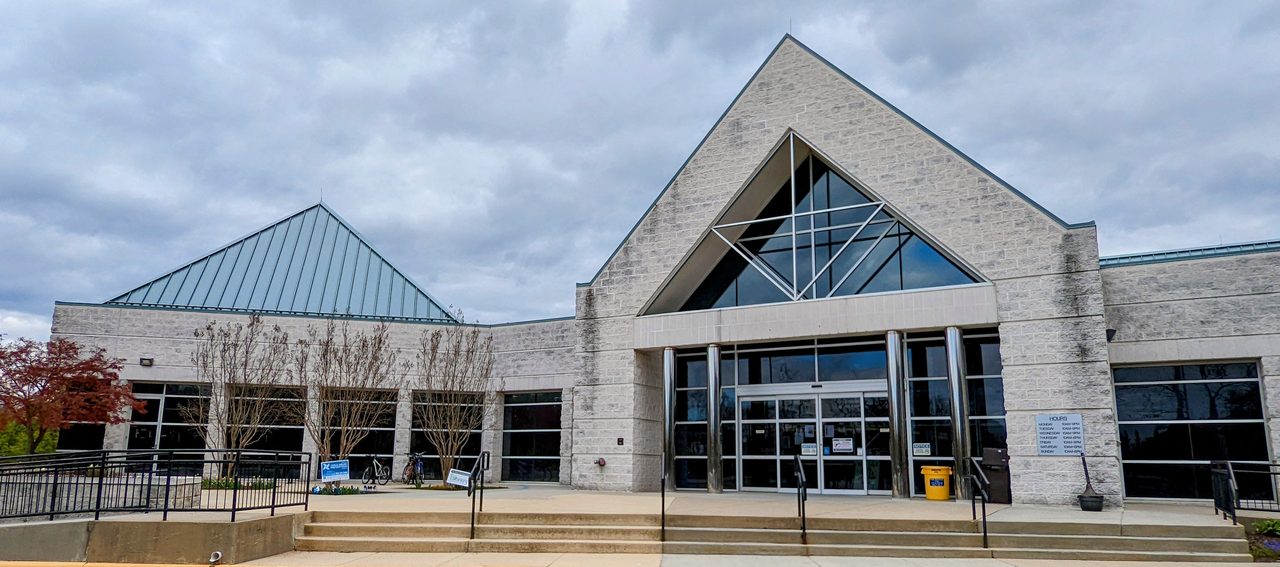
Centreville sits about 26 miles west of DC via I-66 in Fairfax County (about 72,000 residents, per World Population Review). Its overall cost of living is roughly on par with DC, but your money buys far more house, and it’s zoned to the top-rated Fairfax County Public Schools (Centreville High School offers an International Baccalaureate program). It’s also the safest suburb on this list, with a violent-crime rate around 0.9 per 1,000 (NeighborhoodScout). The catch is transit: there’s no Metro station in town, and the nearest one is Vienna.
Best for: families who put schools and safety first.
Keep in mind: near-DC cost of living, and you’ll depend on a car.
Commute, taxes and household income compared
Home price is only part of the picture. What you pay every month also depends on property taxes, the fare and time to reach DC, and how far local incomes stretch. Here’s how the eight suburbs line up, with Washington, DC added for comparison.
| Suburb | Transit to DC | Fare · time | Property tax /$100 | Median income |
|---|---|---|---|---|
| Germantown, MD | MARC Brunswick | $7 · ~60 min | ~$1.15 | $117,546 |
| Waldorf, MD | Commuter bus (no rail) | ~$4-8 · ~55 min | ~$1.32 | $116,089 |
| Frederick, MD | MARC Brunswick | $9 · ~100 min | ~$1.22 | $97,069 |
| Woodbridge, VA | VRE Fredericksburg | $10.25 · ~52 min | ~$0.94 | $104,741 |
| Silver Spring, MD | Metro Red Line | $2.25-$6.75 · ~20 min | ~$1.15 | $99,860 |
| Manassas, VA | VRE Manassas | $11.05 · ~71 min | ~$1.24 | $113,590 |
| Rockville, MD | Metro Red Line | $2.25-$6.75 · ~40 min | ~$1.15 +city | $128,649 |
| Centreville, VA | Express bus (no rail) | $4.80 · varies | ~$1.12 | $139,510 |
| Washington, DC | Metrorail hub | $2.25-$6.75 | $0.85 | $109,870 |
Median household income: U.S. Census Bureau QuickFacts (ACS 2020-2024 5-year). Transit fares/times: WMATA (Metro is distance-based; times approximate), MARC, VRE (fares effective 7/1/2026), Fairfax Connector. Property tax = approximate total local real-estate rate per $100 assessed (MD figures include the $0.112 state levy; incorporated cities like Rockville and Frederick add a municipal rate); rates vary by parcel. See MD DLS, Prince William, Fairfax, Manassas and DC OTR.
A few things stand out. Five of the eight suburbs (Germantown, Waldorf, Manassas, Rockville and Centreville) have a higher median household income than DC itself ($109,870) while costing less to live in. Virginia’s counties have the lowest property-tax rates (Woodbridge’s Prince William County is about $0.94 per $100), and DC’s headline residential rate ($0.85) is the lowest of all, but that comes with the region’s highest income tax. Metro’s Red Line (Silver Spring, Rockville) is the cheapest and fastest ride in; the VRE and MARC lines cost more but reach the farther-out suburbs.
Maryland or Virginia: which is really cheaper?
Home prices skew lowest in the Maryland suburbs (Germantown, Waldorf, Frederick), but the fuller tax picture matters. Maryland adds a local “piggyback” income tax on top of the state rate (about 3.2% in Montgomery County, 3.03% in Charles County and roughly 3% in Frederick County), but does not tax personal cars. Virginia has no local income tax and a flat 5.75% top state rate, but levies an annual personal-property (“car”) tax (about $3.50/$100 in Prince William, $3.60 in Manassas and $4.57 in Fairfax of a vehicle’s value each year) that Maryland and DC don’t. Sales tax is ~6% across all three. So a two-car Virginia household trades a lower income-tax bill for a recurring car tax; a Maryland household does the reverse. (Sources: Tax Foundation, county tax offices.)
What does it cost to move to the DC suburbs?
Once you’ve picked a suburb, the next question is the move itself. Local moving costs in the DC area are driven mostly by labor time, which depends on your home size, access (stairs, elevators, parking) and how much packing you need. Use these ranges as a planning baseline.
| Move size | Typical crew | Estimated labor time | Estimated cost |
|---|---|---|---|
| Studio / 1-bedroom apartment | 2 movers + truck | 2-4 hours | $400-$700 |
| 2-bedroom apartment or small home | 3 movers + truck | 4-7 hours | $800-$1,500 |
| 3-4 bedroom house | 4 movers + truck | 7-10 hours | $1,600-$3,000+ |
Typical local-move ranges in the DC area, for planning only. Your final price depends on distance, access, heavy items and packing.
A real estimate needs your inventory and access details
Ranges are useful for planning. The final price depends on what’s being moved, parking, stairs, elevators, packing and heavy items. Tell us the details and we’ll give you a real number.
Frequently asked questions
By typical home price, Germantown, Waldorf and Frederick, Maryland are the cheapest suburbs on this list, with values around $425,000-$470,000, well below DC’s ~$645,000. If you rent, Silver Spring, MD has the lowest average rent at about $1,966 per month.
Germantown, Waldorf and Frederick offer the lowest home prices, while Silver Spring is the best value if you want to be close in and use Metro. Rockville costs more but adds transit, jobs and low crime.
Woodbridge is the best-value Virginia suburb here, about 17% below DC with VRE commuter rail. Manassas is a historic independent city about 24% below DC, also on the VRE. Centreville is roughly on par with DC on cost of living but strong on schools and safety.
Silver Spring and Rockville sit on Metro’s Red Line for a direct ride downtown (fares $2.25-$6.75). Germantown and Frederick are served by MARC commuter rail, and Woodbridge and Manassas by the VRE ($10-$11 one way). Waldorf and Centreville have no rail, so you’ll depend on a car or commuter bus.
Maryland has the lowest home prices (Germantown, Waldorf, Frederick), but the tax mix differs. Maryland adds a local income tax (~3% in these counties) and has no car tax; Virginia has no local income tax but charges an annual personal-property (car) tax of about $3.50-$4.57 per $100 of vehicle value. Virginia’s property-tax rates are lower, and DC’s residential rate ($0.85/$100) is the lowest of all.
Most local moves in the DC area fall between about $400 for a studio and $3,000+ for a 3-4 bedroom house, driven mainly by crew size and hours. Distance, stairs, parking and packing change the total. Request an estimate for a number based on your home.
So, where are you planning to move?
You don’t have to pay DC prices to stay close to DC. For the lowest cost, look at Germantown, Waldorf and Frederick in Maryland. For a car-free commute, Silver Spring and Rockville put you on Metro, while Germantown, Woodbridge and Manassas offer commuter rail. And for schools and safety, Centreville is tough to beat. Whichever you choose, AT Movers can handle the move, from local moves across the DMV to long-distance relocations and full packing services.
Sources & methodology: Home values and rent: Zillow (ZHVI/ZORI, June 2026). Cost of living: BestPlaces composite index. Median household income: U.S. Census Bureau QuickFacts (ACS 2020-2024). Crime: NeighborhoodScout (2024 FBI data). Population: World Population Review. Transit: WMATA, MARC, VRE. Taxes: county/city tax offices and the Tax Foundation. Figures are current to mid-2026 and change over time; verify before making a decision.


