


A small move within Washington, DC could be a piece of cake: a studio apartment, one room, a few pieces of furniture, a storage unit or a pick-up from the market place. But it’s not normally the amount of stuff that’s hard in DC. It’s the timing. It’s the parking. It’s the elevator window. It’s the stairs. It’s the loading dock. It’s the rowhouse entry.
This guide covers when small movers in DC are a good idea, when you need moving help in Washington, DC and when a moving DIY can work. Use that to determine how much help you need before renting a truck, calling friends or asking for an estimate from a moving company.
For most small moves in DC, consider full service movers if you have furniture, stairs, elevators, limited parking, or a strict building move window. If you have the truck and only need help with loading or unloading, choose labor-only moving help. DIY only works for light boxes, short carries and basic parking in general.
What counts as a small move in Washington, DC?
A small move is usually a move that does not require a whole household to change address. Some common examples include a studio apartment, 1 bedroom, a dorm room, a storage unit, a small office, a few pieces of furniture, a same building move. Small jobs involve moving one item such as a sofa, mattress, dresser, desk, bookcase, dining table, exercise bike or large TV stand.
The number of items is important, but access is even more important. A move just a few blocks away from Dupont Circle to Logan Circle may require a truck, protection for your furniture and careful scheduling. A third floor walk-up in Adams Morgan is harder than a bigger elevator move in Navy Yard. A small move in DC should be planned by weight, distance, stairs, parking and building rules, not just by the number of boxes.
Small movers, moving helpers, or DIY: which option fits?
Do you need small movers, moving helpers, or DIY?
Answer a few quick questions. This tool gives a planning recommendation only. It does not collect your address, phone, email, or any personal details.
Full-service small movers are the safer fit
This is usually the safer option when the move includes furniture, no truck, building rules, stairs, uncertain parking, or elevator timing.
Why this result fits
Send this before requesting an estimate
Keep this tool anonymous. Share the details below only when you contact the moving company directly.
That depends on what you want done for you with the move. A few people need small movers with a truck, equipment and transportation that offers full service. Some people need DC movers to assist with loading or unloading a rental truck. Some can move all with a cart and a car and one good man to help.
When full-service small movers make sense
Full-service small movers are usually your best choice if you have furniture, stairs, elevators, tight hallways, long carries or a strict building schedule. Professional crew can provide the truck, moving pads, dollies, straps, basic tools, and a loading plan. This can save time and risk of damage, especially in D.C. apartments, condos and rowhouses.
Full service help also makes sense if you have a short moving window. Many buildings in DC require elevator reservations, loading dock times, or proof of insurance before movers can start. If you miss those details a small move can become a delayed move.
Local movers in the DC area can help you plan curb access, building move windows, furniture protection, and written pricing information. This matters because a small move with poor access can take longer than a big move with a reserved elevator and a clear loading area.
When moving help in Washington, DC is enough
If you already have the truck, van, storage unit or moving container arranged, labor-only moving help can work. This is useful when loading a rental truck, unloading into a new apartment, rearranging furniture or moving items between a storage unit and a truck.
The trade-off is accountability. If you only choose moving helpers, you are responsible for the vehicle, parking, route, fuel, blankets, straps and return time. If the rental truck is too small, too far away or missing equipment, the job may take longer and cost more than expected.
Labor-only help works best when the truck is ready
When booking moving helpers in DC, make sure the rental truck is parked, opened and ready to go when the crew arrives. Keep pads, straps, dollies, etc. for labor-only work if the company does not have them.
Before you do this, ask the company what kind of service they provide. Some movers offer full-service moving including a truck while others may only provide labor help. If you only need loading and unloading, tell them when you ask for an estimate so they can give you the right scope of service.
DC-specific issues that can make a small move harder
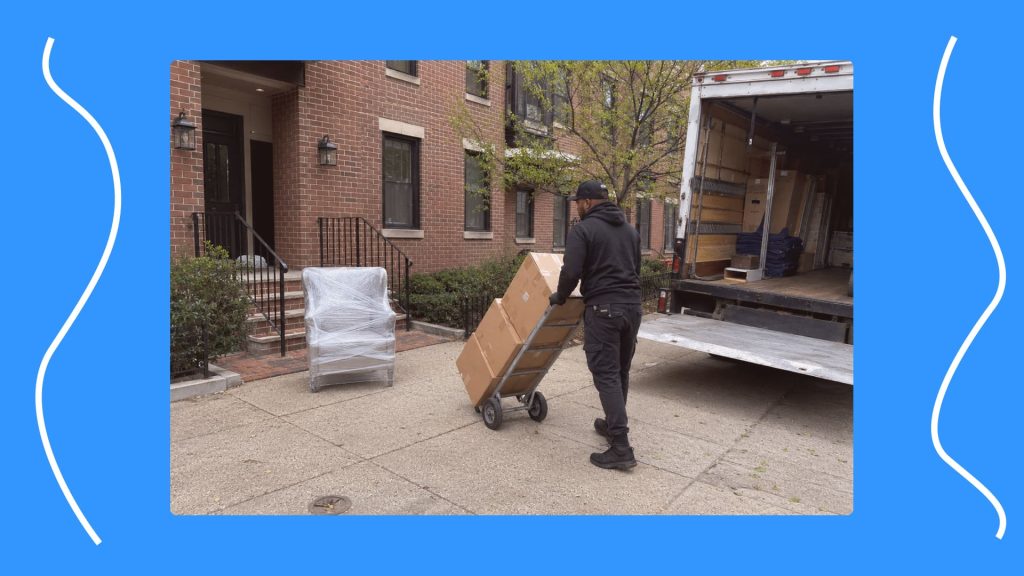
Challenges in moving in Washington, DC do not always appear on a simple item list. Street parking can be tight. Loading zones may be obstructed. Some streets are narrow or one way. Apartment buildings may require elevator reservations, certificates of insurance, loading dock access or approved move-in times.
The District Department of Transportation manages the use of public space in DC, including streets, sidewalks and alleys. If your move requires reserved curb space or special public-space access, take a look at DDOT rules and the Transportation Online Permitting System before moving day.
Don’t expect a moving truck to roll up right outside your building. If the crew has to park a distance from the entrance, the move may take longer. If your building requires elevator reservations or a certificate of insurance, be sure to check this before you book.
In practical terms, access can change the whole move. A small job with no parking, a long carry or a missed window for the elevator can take longer than a bigger move with a reserved loading area and clear instructions for the building.
What affects the cost of a small move in DC?
The cost of a small move depends on crew size, truck needs, minimum time, travel time, stairs, elevator access, parking distance, packing status, furniture disassembly and date of move. A full studio with an elevator and a designated loading zone is typically more predictable than three big pieces of furniture in a walk-up with no close parking.
Use access details as your estimate baseline
In DC, small moves are usually priced on labor time and access. This can take longer even for a small item list if the crew has stairs, a long walk to the truck, furniture disassembly or a tight elevator window.
The Federal Motor Carrier Safety Administration recommends getting written estimates and checking that the mover is licensed and insured for interstate moves. Although local DC moves are not interstate moves, the basic rule is the same: know the price, scope of services, and protection options before moving day.
A real estimate needs inventory and access details
Small-move pricing depends on what’s being moved, parking, stairs, elevators, packing status, heavy items and if you need a truck or just labor help.
When a DIY small move can work
If the items are light, parking is easy, the carry is short, and you don’t have to move heavy furniture up stairs or through narrow hallways, DIY moves can be effective. A car or small van can be realistic for boxes, clothes, lamps, small shelves, kitchen stuff and personal bags.
When the work involves heavy items, awkward shapes, stairs, long carries or a tight schedule, DIY is not so practical. The CDC/NIOSH ergonomics guidance lists lifting, pushing, pulling, carrying, awkward postures, and repetitive effort as risk factors for musculoskeletal injury. So with moving, a low item count does not necessarily equate to a low risk move.
What to send before requesting an estimate
A good estimate starts with a good inventory. Send it, whether it’s boxes, bags, furniture, electronics, fragile items, rugs, plants or anything unusually heavy. Add pictures of large furniture, tight staircases, elevators, long hallways, loading docks and any door that may be difficult.
Both addresses, what floor they’re on, if they have an elevator, how many stairs, what’s the parking situation, does the building require a certificate of insurance. If you’re moving to or from nearby areas like Arlington, Alexandria, Bethesda or Silver Spring, check out building rules at both ends. If only one building is ready, a small move can be delayed.
How to prepare before small movers arrive
Pack small items yourself before the movers arrive unless packing is part of your service. Empty drawers, unplug electronics, tie cords up, label boxes by room and keep things you want to move separate. Ask the movers what they can do and what you need to do in advance if furniture needs to be taken apart.
Book elevator, confirm loading zone and notify building manager of moving date and time. Should you require insurance papers for your building, request them in good time. If parking is a problem, look into if you need a permit or reserved curb space. Normally the easier the access the faster a little move will run.
Questions to ask before booking small movers in DC
Ask what the estimate includes before you book. Movers, truck, travel time, fuel, furniture pads, dollies, tools, basic disassembly, stairs, elevator use, and basic liability coverage. Ask what the minimum time commitment is and how billing works if it takes longer than you anticipate.
Ask if the company services your building’s needs as well. For DC apartments and condos, this could be a certificate of insurance, elevator reservation, loading dock time or a designated movers’ entrance. If you’re moving one or two items, ask if the company needs measurements or photos before confirming the job.
Bottom line: choose by access and risk, not just size
Think about the whole job when planning small moves in DC: item weight, stairs, parking, building rules, truck access, timing, and comfort with lifting and driving. If the move is light and easy, DIY may work. Already rented a truck? You may want to consider moving helpers. If your move involves furniture, stairs, a tight schedule or difficult parking, full service small movers are often the safer and more efficient option.
If your minor move requires a truck, crew, protection and a clear plan, prepare your inventory and ask for an estimate based on the actual access and items involved.
FAQ about small moves in DC
Most moving companies have a minimum booking time, even for small jobs. This includes travel, crew scheduling, equipment and truck time. Please verify minimums prior to booking for a clear estimate.
A lot of movers do single item moves, yes. For large or heavy pieces, planning is still required, especially if there are stairs, narrow doors, elevator rules or limited parking.
If you already have the truck, supplies and parking, moving help can be less expensive. It might not save money if truck rental, missing equipment, parking problems or extra time make the job harder.
Typically 2+ movers are needed for a studio move, especially if you have furniture. The right size of the crew depends on stairs, elevator availability, walking distance, packing status and the amount of large items you have.
Depends on the address, curb rules, size of truck and if you need reserved space. Read your building’s instructions and DDOT resources before move-in day. If the truck can’t park close to the entrance the move could take longer.
Many apartments and condos will require a certificate of insurance before they will allow movers to use the elevator, loading dock or service entrance. Before you book, check with your building manager and send your mover the requirements.
Yes, small movers can usually help with marketplace furniture pickups. Get pickup and delivery addresses, photos of items, measurements, seller timing, details of stairs, elevators and parking before booking.
No. A small move can be local, short or long distance. This article is about small local and short distance moves in Washington, D.C. Small long haul moves may require different pricing, scheduling and shipment planning.
Can one-time movers or part-time movers handle a small job?

Yes, limited jobs can be helped by one-time or part-time movers. These terms usually refer to help that is hourly or for one job, not a permanent part time employee. Some examples include: moving a couch from Capitol Hill to Shaw, unloading a storage unit in Silver Spring, picking up a dresser in Arlington or helping with a small office move downtown.
Even a one item move may require two movers, a truck, furniture pads and a plan for stairs or elevators. Please send photos before booking if item is large, heavy, fragile or hard to access. Measurements can save your bacon for sofas, sectionals, dressers, armoires and desks.


